
Caring for Your Refinished Cabinets
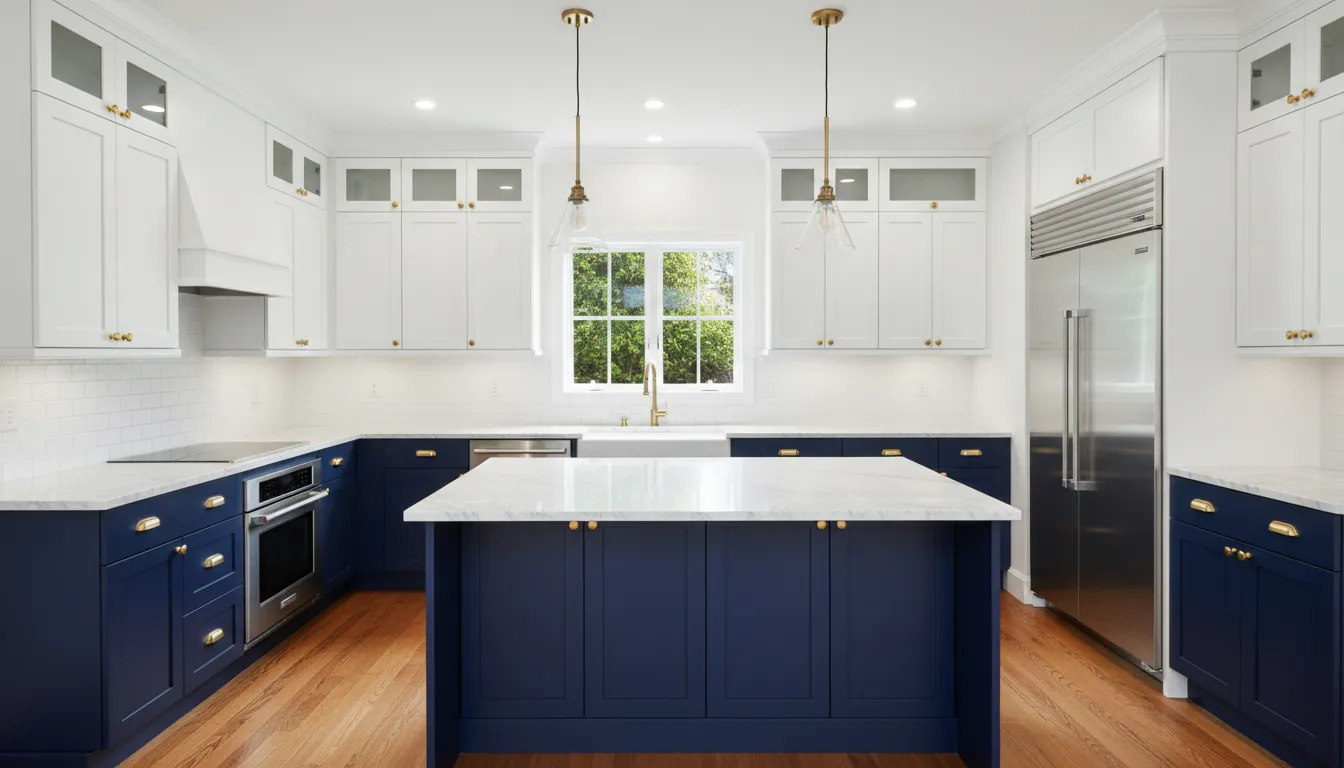
Thank you for trusting iPaint Painting with your home. We take real pride in delivering a factory-grade finish on your cabinetry. Because refinished coatings cure and perform differently than raw wood or plastic laminates, following these care instructions protects your investment and keeps your warranty valid.
1. Finish warranty coverage
Our refinishing warranty guarantees the adhesion and stability of our industrial topcoats under normal residential use.
Covered under warranty
- Spontaneous peeling & flaking: any delamination or separation of the topcoat from the substrate occurring on its own under normal indoor conditions.
- Chipping: premature loss of adhesion or micro-chipping caused by a finish bonding failure.
- Colour fading: unnatural colour shifts, severe premature yellowing, or abnormal fading under standard interior lighting.
Not covered under warranty
- Physical damage: scratches, chips, dents, or gouges from utensils, jewellery, pets, or aggressive cleaning.
- Moisture & water damage: swelling, seam splitting, or clouding from standing water, plumbing leaks, wet dishcloths, or home humidity outside the 40 to 50% range.
- Thermal damage: blistering or discolouration from oven self-cleaning heat or steam from countertop appliances.
- Chemical damage: breakdown of the topcoat from harsh cleaners, solvents, furniture wax, or abrasive sponges.
2. Daily & routine maintenance
Wipe up liquid spills immediately with a soft microfiber cloth. Pay extra attention to high-risk moisture zones: sink bases, trash pull-outs, and panels next to the dishwasher. Never let moisture sit and dry on cabinet faces or inside drawers.
To clean everyday grease around knobs and the stove, mix warm water with a few drops of mild dish soap. Dampen a soft microfiber cloth (do not soak), wipe gently, then follow right away with a dry microfiber cloth to remove all residual moisture.
Use the handles and knobs to open doors, and avoid touching the painted door edges, since skin oils degrade finishes over time. Clean handles with a damp cloth and dry immediately. For glass inserts, spray glass cleaner onto a cloth first, never directly onto the door, to avoid overspray on the finish.
3. Removing stubborn oils & fingerprints
Matte and dark finishes are especially prone to natural hand oils. If mild dish soap and warm water do not remove sticky spots or fingerprints, use one of these approved spot-cleaning methods.
- Isopropyl or alcohol-based hand sanitizer: dab a small amount onto a clean, dry microfiber cloth. Gently wipe the spot and let the alcohol evaporate naturally.
- Mineral spirits (heavy grease only): dab a small amount of odourless mineral spirits onto a microfiber cloth. Test an inconspicuous area first, such as the inside of a lower door. Wipe gently and let it evaporate. Wear gloves and ventilate the room when using solvents.
4. Appliance heat & steam warnings
Excessive heat and concentrated steam are the main causes of finish breakdown around appliances.
- Countertop steam appliances: air fryers, kettles, instant pots, coffee makers, and toaster ovens give off concentrated steam and heat. Always pull them forward, past the front edge of the upper cabinet boxes, before turning them on.
- Oven self-cleaning feature: high-heat self-cleaning cycles reach close to 470°C (878°F), and heat escaping the door gaskets can ruin nearby doors. Pull the range 12 inches forward, or temporarily remove the adjacent doors and drawers, before running a high-heat cleaning cycle.
5. Seasonal adjustments & environmental care
Wood and MDF substrates expand and contract with seasonal humidity. Keeping your home in the target range protects the finish and the door reveals.
| Season | Humidity target | Recommended action |
|---|---|---|
| Spring & Summer | 40–50% | Run air conditioning or a dehumidifier to prevent wood expansion and binding door reveals. |
| Fall & Winter | 40–50% | Use a humidifier to prevent shrinkage or micro-cracking at the door joint lines. |
| Biannual check | n/a | Visually inspect hinge reveals and drawer glide alignment twice a year to prevent rubbing doors. |
6. What to avoid
- Melamine sponges / magic erasers: these contain microscopic abrasives, like fine sandpaper, and will permanently strip the satin or matte sheen.
- Harsh chemical cleaners: no ammonia, bleach, silicone-based furniture waxes, polishes, or antibacterial disinfectant wipes on refinished surfaces.
- Damp towels: never hang wet dish towels or cloth napkins over the tops of cabinet doors.
Cabinet care FAQs
Can I use Windex, bleach, or disinfectant wipes on refinished cabinets?
No. Avoid ammonia, bleach, silicone furniture waxes, polishes, and antibacterial wipes, they break down the topcoat over time. Clean with a soft microfiber cloth and a little mild dish soap, then dry the surface.
How soon can I use my cabinets after refinishing?
You can use them as soon as we finish. The coating keeps hardening over the following days, so be gentle in the first couple of weeks: wipe spills promptly and skip any harsh cleaning while the finish fully cures.
What should I do if I notice a chip or scratch?
Contact us. We offer touch-up kits and can advise on repairs. Scratches, chips, and other physical damage are not covered by the warranty, but we are glad to help keep your finish looking its best. Call 780-938-9555 or email info@ipaintpainting.ca.
Questions or need support?
If you have a question about your coating, need a touch-up kit, or notice a finish issue, reach the iPaint Painting team:
- Phone: 780-938-9555
- Email: info@ipaintpainting.ca
- Website: ipaintpainting.ca
Need a Touch-Up or a Finish Question?
Our team is here to help keep your refinished cabinets looking factory-fresh.
Call 780-938-9555